

Constitutional Motion Practice & Evidentiary Due Process in Family Court: Procedural due process guarantees litigating parents the right to timely notice, an impartial tribunal, formal evidentiary hearings, and the cross-examination of adverse witnesses before parental liberties are infringed (Armstrong v. Manzo, 380 U.S. 545). Filing timely constitutional objections and modular pre-trial motions prevents domestic relations courts from deciding fundamental custody rights through informal conferences, judicial fiats, or unsworn hearsay recommendations.
Meet Attorney Matt and Judge Colbert. Watch this video to see what you will face when you fight for your rights.
This is the first in a series of "How To" videos on protecting your parental equality and your fundamental rights.
This video teaches you how to insist that the court use the proper due process that comes from the 14th amendment due process clause.
Get the Equal Protection Motion that this video mentions at FixFamilyCourts.com
Prefer a dedicated theater view? Watch on our dedicated Video Watch Page →
Fix Family Courts provides parents, attorneys, and family advocates with rigorous constitutional frameworks to safeguard fundamental parental rights. Under binding Supreme Court precedents including Troxel v. Granville, Santosky v. Kramer, and Pierce v. Society of Sisters, fit parents are constitutionally presumed to act in their children's best interests. State courts lack constitutional authority to abridge custody, parenting time, or parental decision-making without strict scrutiny and clear and convincing evidence.

Related Educational Guides & Authorities
Continue exploring constitutional principles, case law precedents, and procedural strategies.
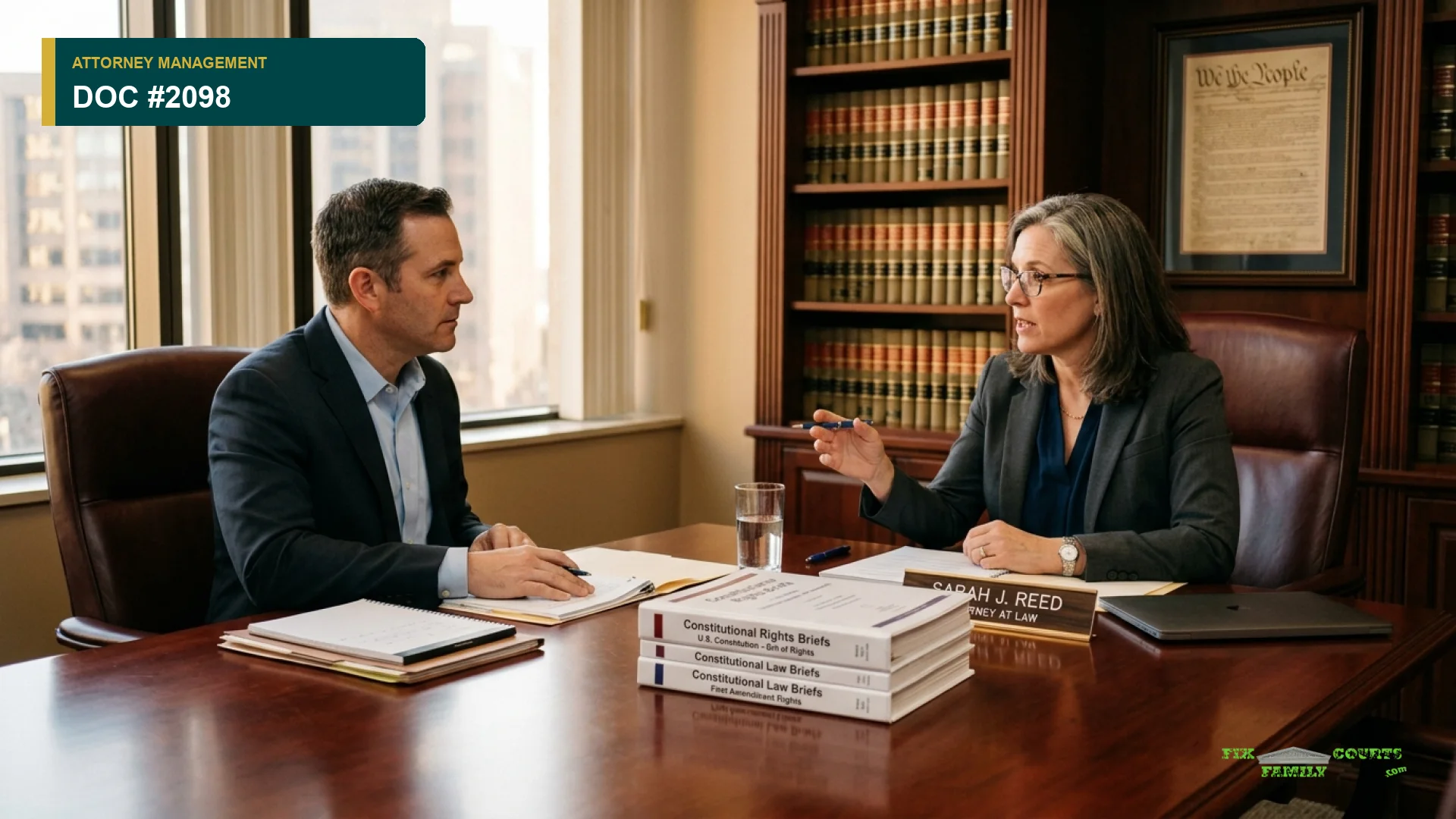
How do I get my attorney to protect my parental rights? Part 2 of How to Fight for Parental Rights
Learn how fit parents protect fundamental parental rights in custody hearings. Assert Fourteenth Amendment due...
Why aren't More Parents Fighting Back: Part 2
Why aren't more parents asserting constitutional rights in child custody courts? Learn how fit parents can cha...

Top 10 Attorney Objections to Arguing Parental Rights
Learn how fit parents protect fundamental parental rights in custody hearings. Assert Fourteenth Amendment due...