

Constitutional Motion Practice & Evidentiary Due Process in Family Court: Procedural due process guarantees litigating parents the right to timely notice, an impartial tribunal, formal evidentiary hearings, and the cross-examination of adverse witnesses before parental liberties are infringed (Armstrong v. Manzo, 380 U.S. 545). Filing timely constitutional objections and modular pre-trial motions prevents domestic relations courts from deciding fundamental custody rights through informal conferences, judicial fiats, or unsworn hearsay recommendations.
They hate divorced parents so much they are willing to irreparably injure the children of divorced parents as punishment for their daring to divorce. The Supreme Court has held this to be unconstitutional since 1968 yet they continue to abuse children for profit.

Related Educational Guides & Authorities
Continue exploring constitutional principles, case law precedents, and procedural strategies.
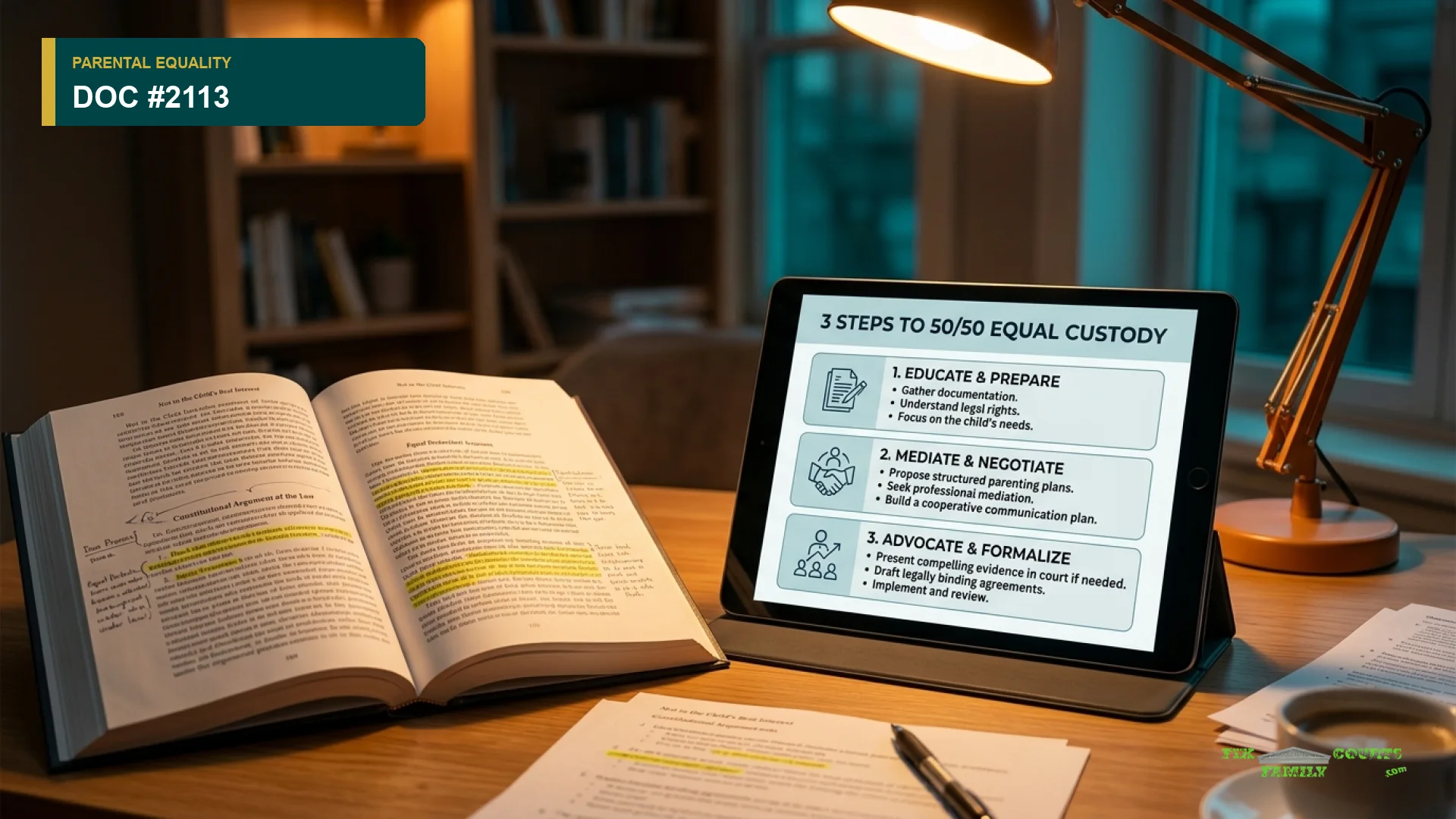
Do I have Rights in Family Courts? Parental Equality just got easier...
Fix Family Courts explains that parental rights are fundamental constitutional liberties protected by the Four...

Strategies: Establishing Clear Rules Of Law Parental Rights
Learn how fit parents protect fundamental parental rights in custody hearings. Assert Fourteenth Amendment due...
Measure 6 is defeated! Your Equal Parental Rights are not!
Learn how fit parents protect fundamental parental rights in custody hearings. Assert Fourteenth Amendment due...